glass bottle supply options
The Science of Glass Packaging: Elevating Your Brand With Eco-Friendly Glass Bottles
The art of glass packaging provides brands with an exceptional opportunity for distinction. By embracing sustainable methods, glass bottles not only enhance visual appeal but also align with eco-conscious consumer values. Their intrinsic properties, such as recyclability and chemical inertness, demonstrate a steadfast commitment to excellence. As organizations traverse this shifting terrain, understanding the multifaceted benefits and challenges of glass packaging becomes essential for long-term success. What forward-thinking methods are companies adopting to fully harness these opportunities?
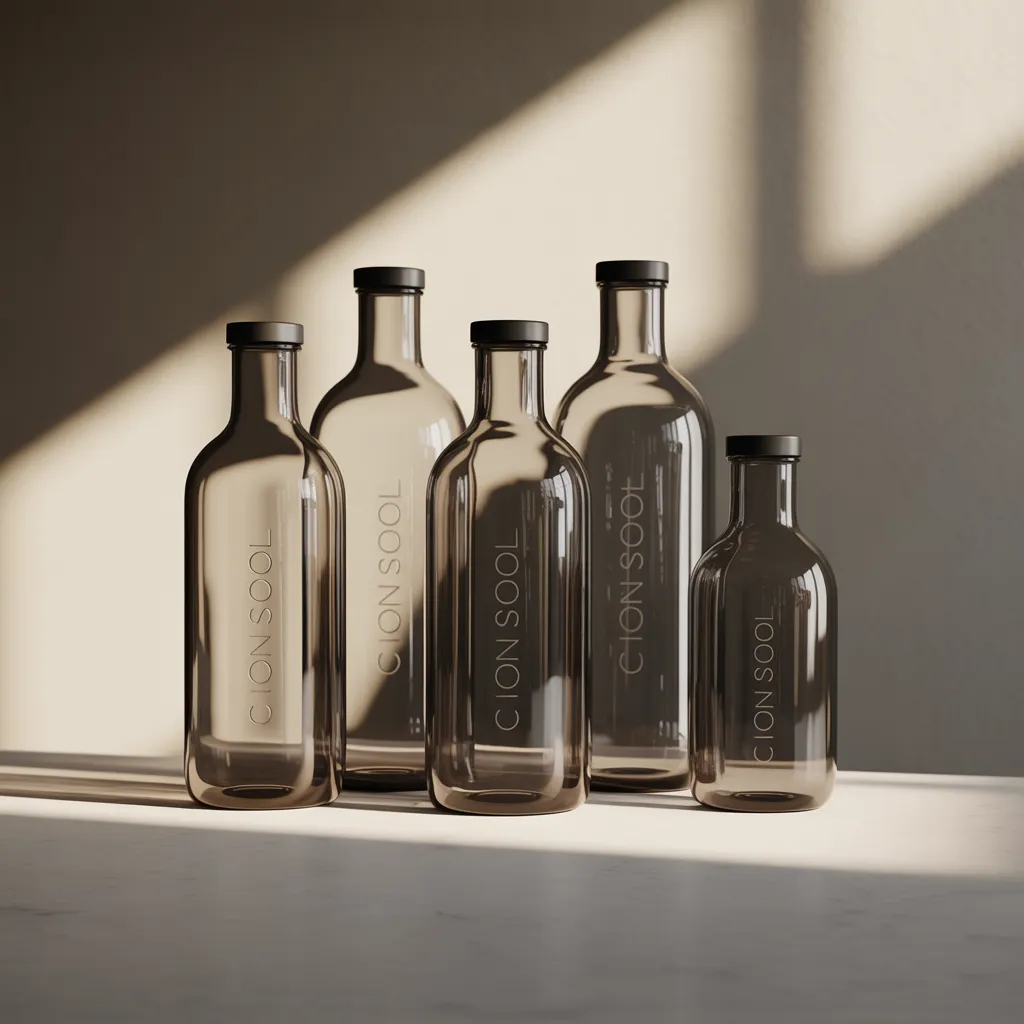
Why Choose Glass Packaging for Your Brand
Choosing glass packaging can considerably elevate a brand's reputation and environmental initiatives. Brands that opt for glass demonstrate a pledge to superior standards and exceptional product encounters, resonating with sophisticated customers who recognize the importance of design and utility. Glass delivers a timeless and elegant appearance, strengthening a brand's visual presence while providing a sensory experience that plastic cannot match.
Additionally, glass packaging conveys an impression of purity and safety, as it is absent of toxic substances commonly present in plastic materials. This choice can attract environmentally conscious consumers who identify glass with sustainable behavior. Furthermore, its resilience permits repeated utilization, thus solidifying a brand's pledge to environmental responsibility.
In a marketplace placing greater emphasis on ecological responsibility, choosing glass packaging can distinguish a brand cultivating lasting loyalty and boosting customer confidence. Ultimately, this deliberate decision positions brands as leaders in sustainability and quality, aligning with the values of today's consumers.
The Eco-Friendly Advantages of Glass Bottles
Glass bottles present substantial environmental benefits that set them apart from alternative packaging options. These containers are 100% recyclable, supporting a sustainable economy where materials can be reused indefinitely without loss of quality. This property considerably decreases the need for raw materials, thereby minimizing resource extraction and energy expenditure connected to manufacturing.
Additionally, glass packaging is non-reactive, meaning it does not leach dangerous compounds into its stored materials, ensuring safer consumption. Unlike plastic, glass does not contribute to microplastic pollution, which is a growing environmental concern.
Glass bottle production also generates lower greenhouse gas emissions compared to plastic alternatives. Thanks to innovations in manufacturing processes, energy efficiency has been greatly enhanced, further reducing the environmental impact associated with producing glass.
Unique Designs That Transform Glass Packaging
Unique aesthetics in glass packaging are transforming how items are presented. Unique shapes and structures not only improve usability but also capture buyer interest. Furthermore, vibrant color schemes further elevate the aesthetic appeal, making glass vessels distinguish themselves in retail spaces.
One-of-a-Kind Shapes and Structures
Groundbreaking approaches in packaging made from glass not only boost visual impact but also act as a key factor in establishing brand uniqueness. Unique shapes and structures can create memorable consumer experiences, making products stand out on packed product displays. For instance, bottles with asymmetrical shapes or geometric patterns can spark interest and invite engagement. These unconventional forms often reflect a brand's personality, solidifying its brand narrative and ideals. Additionally, original designs can boost practicality, such as easier handling or enhanced pouring. Brands that invest in creative glass designs signal commitment to quality and sustainability, drawing in eco-aware buyers. By prioritizing originality in their packaging, companies can foster deeper connections with their audience, thereby boosting brand loyalty and expanding market visibility.
Attention-Grabbing Color Palettes
Vibrant color palettes play an essential role in enhancing glass packaging, turning everyday bottles into striking visual declarations. By utilizing a deliberate combination of shades, businesses can inspire sentiment and deliver unforgettable moments for buyers. Vivid hues can communicate exceptional value, whereas gentler shades can express refinement and elegance.
Furthermore, the incorporation of gradient and multi-tone aesthetics creates depth and visual interest, drawing attention on crowded shelves. Sustainable practices further enhance the appeal; environmentally responsible dyes and finishes connect with mindful consumers. Ultimately, the ideal color palette not only embodies a brand's character but also strengthens its dedication to sustainability, establishing glass packaging as an influential instrument for standing out in a competitive market.
In What Ways Does Glass Packaging Improve Product Perception?
Glass packaging notably improves the perception of products via its upscale feel and visual appeal, creating a sense of luxury for consumers. The natural clarity and see-through quality of glass allow for an unobstructed view of the product, further reinforcing quality. Moreover, choosing glass complements sustainable brand positioning, appealing to environmentally conscious consumers.
Superior Feel And Appeal
Utilizing glass packaging significantly enhances the perceived value of a product, frequently linking it to quality and refinement. Buyers commonly connect glass with premium quality, contributing to stronger brand dedication and positive consumer experiences. The physical feel of glass, with its sleek finish and substance, establishes a luxurious sensation that plastic is unable to match. This experiential connection establishes a bond between the product and the consumer, cultivating a sense of excellence. Moreover, glass packaging conveys a commitment to sustainability, appealing to sustainability-minded customers. Consequently, companies using glass packaging can establish themselves as higher-end alternatives within their markets, drawing selective buyers who prioritize both visual appeal and responsible practices in their purchasing decisions.
Clear Visual Transparency And Precision
When buyers discover products in glass containers, their experience is commonly improved by the natural visual openness and clearness it offers. This openness enables prospective customers to view the contents within, fostering a sense of trust and authenticity. The clarity of glass not only showcases the product's quality but also highlights its color and texture, boosting aesthetic attractiveness. Furthermore, the lack of label obstructions on transparent glass lets the product become the focal point, creating a more engaging shopping experience. Glass packaging can elevate brand perception by conveying a commitment to quality and craftsmanship. This visual clarity ultimately influences consumer decisions, promoting a more profound personal relationship with the item and the brand.
Green Brand Positioning
Sustainability-focused brands employ glass packaging to reinforce their commitment to sustainability, meaningfully improving the way consumers view their products. Glass communicates an impression of quality and refinement, defining a loftier benchmark when measured against plastic counterparts. This medium not only highlights the environmental principles of a brand but also attracts buyers who place importance on sustainable options. The sensory quality of glass—its density and surface—further amplifies the perceived premium nature of the product. Furthermore, the recyclable nature of glass corresponds with the increasing consumer appetite for sustainable habits, fostering brand loyalty. By choosing glass, brands not only showcase their dedication to the environment but also present their products as top-tier selections, thus building a favorable reputation in a crowded market.
Case Studies of Brands Succeeding With Glass Packaging
Numerous brands are thriving by embracing glass packaging, showcasing its consumer appeal and dedication to environmental responsibility. To illustrate, a well-known beverage company made the switch to glass bottles, producing a 30% rise in sales within a year. The transition not only improved product visibility on shelves but also resonated with eco-conscious consumers, solidifying the brand's sustainability message.
Another cosmetic company effectively transitioned to glass vessels, considerably boosting its upscale appeal. This change drew in a committed following that values both visual appeal and eco-conscious practices. Moreover, an artisan brewery embraced reusable glass containers, cultivating consumer trust and decreasing environmental impact. These examples demonstrate that glass solutions not only satisfy consumer demands for eco-friendly alternatives but also reinforces brand identity and market positioning. Such strategic choices reflect a growing trend among brands aiming to align their operations with sustainable practices while resonating with contemporary buyers.
Ways to Address Challenges in Glass Packaging
Navigating the complexities of glass packaging requires creative approaches and a thorough understanding of the market. Companies often face challenges such as elevated manufacturing expenses, weight-related challenges, and structural vulnerability. To overcome these, brands can adopt innovative fabrication processes that reduce waste and enhance durability. Collaborating with suppliers to source sustainable resources also minimizes environmental consequences while attracting eco-aware consumers.
Another challenge involves transportation logistics, considering the substantial weight of glass. Adopting intelligent logistics strategies, including optimized shipping methods and packaging designs, can help minimize costs and guarantee product safety during transit. Additionally, educating consumers on the benefits of glass over plastic can foster go now brand loyalty and drive demand. By implementing these methods, companies can surmount challenges in glass packaging and establish themselves as pioneers in sustainable practices, ultimately enhancing their brand image and market presence.
The Future of Sustainable Glass Packaging
As the appetite for sustainable packaging solutions expands, the glass packaging industry is poised for transformative changes. Innovations in manufacturing processes are expected to enhance energy efficiency, lowering the environmental impact linked to glass manufacturing. Furthermore, the rise of lightweight glass bottle usage will become a defining trend, lowering transit emissions while upholding product standards.
Recycling efforts will continue to strengthen, with enhanced partnerships between producers and local governments to advance glass recovery and handling. Additionally, the embedding of advanced technology in packaging solutions will allow for greater transparency in the supply chain, empowering companies to highlight their environmental commitments with impact.
Consumer preferences for eco-friendly products will also drive the development of personalized, attractive design solutions, marrying functionality with visual appeal. As brands prioritize sustainability, the glass packaging sector is set to redefine its approach, addressing wider ecological objectives while satisfying the demands of environmentally aware consumers.
Commonly Asked Questions
What Are the Financial Differences Between Glass Packaging and Plastic?
Glass-based packaging typically carries greater expenses as a result of manufacturing, shipping, and recycling requirements compared to plastic. However, it offers sustainability benefits and enhanced brand perception, which may validate the cost for select businesses.
How Do I Customize Glass Bottles for My Brand?
Businesses are able to personalize glass containers with original forms, tones, and surface treatments. Engraving, labeling, and printing designs strengthen brand recognition. Working alongside manufacturers ensures alignment with sustainability goals while maintaining aesthetic appeal and functionality.
Do Specific Regulations Exist for Glass Packaging?
Certainly, dedicated regulations for glass packaging have been established, differing across regions. Such regulations encompass safety standards, labeling requirements, and recycling guidelines, safeguarding consumer safety and environmental responsibility while encouraging sustainable practices in packaging manufacturing and distribution.
What Are the Most Effective Best Practices for Recycling Glass Bottles?
For effective glass bottle recycling, people should wash them thoroughly to clear out any remaining contents, take off the caps, and separate them by color. Furthermore, they should review community recycling rules for designated drop-off sites to ensure correct handling and processing.
How Does Glass Packaging Affect Shipping and Logistics?
Glass packaging notably influences the shipping and logistics process by introducing increased weight and fragility, necessitating careful handling and specialized transportation. This can lead to higher costs and more complex supply chain management relative to lighter and sturdier material alternatives.